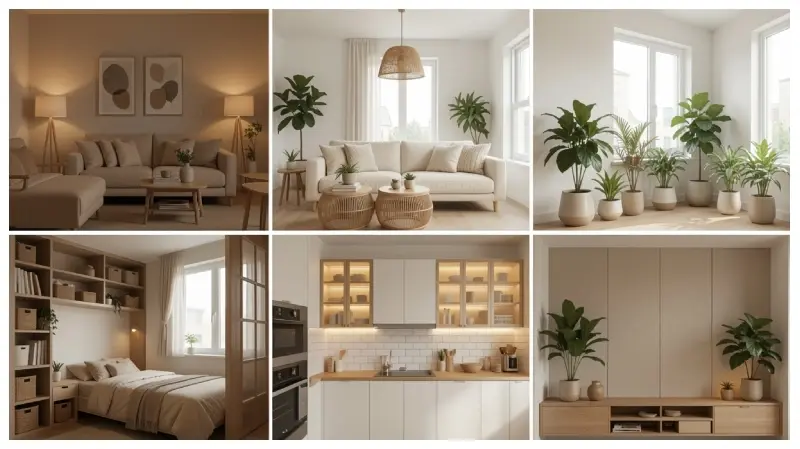
Your home does not need a complete renovation to feel fresh, modern, and comfortable. In many cases, the biggest improvements come from small, intentional upgrades that enhance how your space looks, feels, and functions every day.
A beautifully designed home is not always about expensive furniture, luxury materials, or major construction projects. It is about making smart choices that match your lifestyle, improve organization, and create an environment where you genuinely enjoy spending time.
Whether you live in a small apartment, a family house, or a modern home, thoughtful upgrades can completely change the atmosphere of your space without requiring a massive budget.
The DecoradHouse approach focuses on creating balanced interiors through simplicity, functionality, and timeless design principles. Instead of filling rooms with unnecessary items, this style emphasizes purposeful furniture, natural elements, comfortable layouts, and decorative choices that make everyday living easier.
In this guide, you will discover practical home upgrade ideas inspired by DecoradHouse principles that can help you refresh your interiors, improve functionality, and create a home that feels more personal and inviting.
What Is DecoradHouse-Inspired Home Design?
DecoradHouse represents a modern interior approach that focuses on combining aesthetic appeal with practical living. The philosophy behind this style is simple: a home should look beautiful while also supporting the way people actually live.
Many traditional decorating approaches focus mainly on appearance, but modern homeowners increasingly want spaces that are both stylish and functional. This means choosing furniture that provides storage, layouts that improve movement, and decorations that add personality without creating clutter.
A DecoradHouse-inspired interior commonly includes:
Minimal Yet Comfortable Spaces
Minimalism does not mean having an empty home. Instead, it means keeping only the items that add value, purpose, or emotional connection. A carefully designed room feels calm because every element has a reason for being there.
Functional Furniture Choices
Furniture should do more than simply fill space. Multi-purpose pieces such as storage benches, extendable tables, modular sofas, and compact furniture solutions help homeowners maximize available space.
Natural Materials and Elements
Wood, stone, plants, cotton, linen, and other natural textures bring warmth into modern interiors. These materials create a connection with nature and make spaces feel more comfortable.
Balanced Colors and Clean Visual Flow
Neutral shades combined with carefully selected accent colors create a timeless appearance. Instead of following short-lived trends, this approach focuses on designs that remain attractive for years.
How To Plan Your Home Upgrade Before Starting
Many homeowners begin decorating projects without proper planning and end up spending money on items that do not improve their space. A successful home upgrade starts with understanding what your home actually needs.
Before purchasing furniture, changing colors, or adding decorations, follow these simple steps.
1. Evaluate Each Room Carefully
Walk through your home and identify areas that feel outdated, uncomfortable, or inefficient.
Ask yourself:
-
Does this room have enough storage?
-
Is the furniture arrangement practical?
-
Does the lighting create the right mood?
-
Are there unused spaces that could serve a purpose?
-
What changes would improve daily life?
Instead of trying to upgrade everything at once, focus on areas where small improvements will create the biggest impact.
2. Create a Realistic Home Improvement Budget
A common mistake is starting a project without knowing how much you want to spend. A clear budget helps you prioritize important upgrades and prevents unnecessary purchases.
Divide your budget into categories such as:
-
Furniture improvements
-
Lighting upgrades
-
Wall treatments
-
Storage solutions
-
Decorative accessories
-
Long-term renovation projects
You do not need to complete every upgrade immediately. A well-planned gradual approach often produces better results than rushed decisions.
3. Measure Your Space Before Buying Anything
One of the most overlooked parts of home improvement is accurate measurement.
Before buying furniture or decorative pieces:
-
Measure wall lengths
-
Check doorway dimensions
-
Consider walking space around furniture
-
Compare product dimensions carefully
A beautiful sofa or cabinet can become frustrating if it does not fit properly within your room layout.
11 DecoradHouse-Inspired Home Upgrade Tips
These practical ideas can help transform your home without requiring a complete remodel. Each upgrade focuses on improving both appearance and everyday functionality.
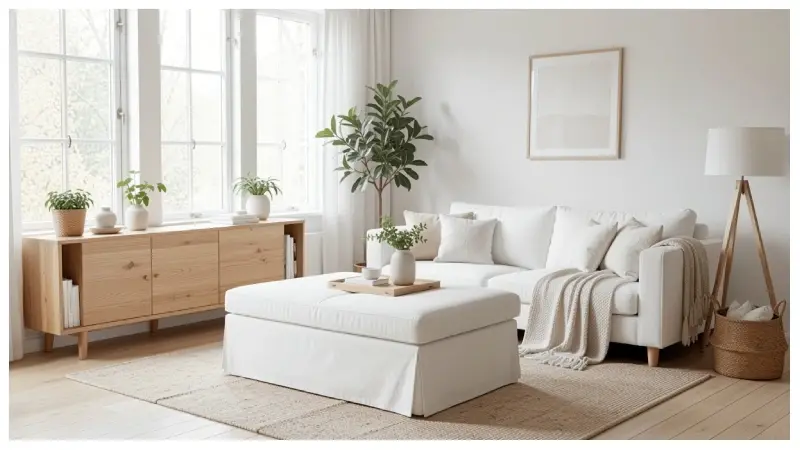
1. Choose Functional Furniture That Maximizes Your Space
Furniture plays one of the biggest roles in defining how a room looks and works. Instead of choosing pieces only because they look attractive, select furniture that provides comfort, flexibility, and practical benefits.
Modern homes often require smarter solutions because spaces are becoming smaller and homeowners need every area to serve multiple purposes.
For example:
-
Storage ottomans can provide seating while hiding blankets or accessories.
-
Sofa beds can transform living rooms into guest spaces.
-
Nesting tables can be expanded when needed and stored easily afterward.
-
Wall-mounted desks can create functional work areas in small rooms.
A well-designed furniture arrangement improves movement and makes a room feel larger.
What To Consider:
✓ Measure your room before purchasing large furniture pieces.
✓ Choose timeless designs that work with future decorating changes.
✓ Prioritize comfort because beautiful furniture is useless if it is uncomfortable.
✓ Select quality materials that can handle daily use.
2. Upgrade Your Lighting for Better Mood and Functionality
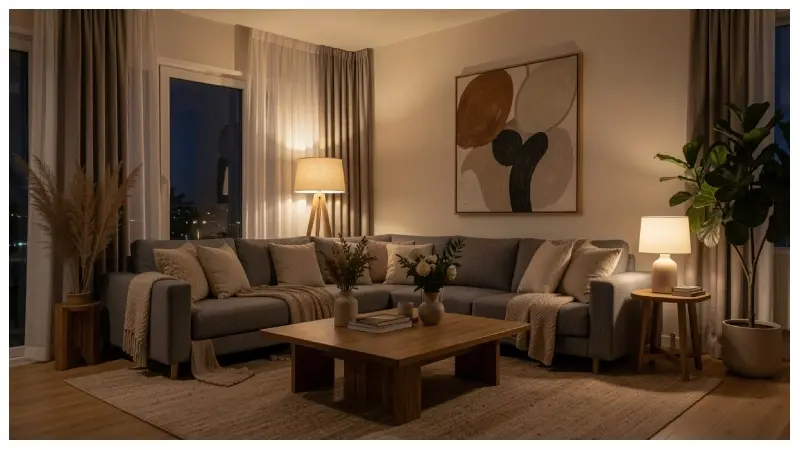
Lighting is one of the easiest ways to transform the feeling of a home. The right lighting can make a small room appear bigger, create warmth, and improve functionality.
Instead of depending on one central ceiling light, modern interior design uses layered lighting.
The three main lighting types include:
Ambient Lighting
This provides general room illumination and creates the overall atmosphere.
Examples:
-
Ceiling fixtures
-
Chandeliers
-
Recessed lights
Task Lighting
Task lighting focuses on specific activities.
Examples:
-
Desk lamps
-
Kitchen counter lights
-
Reading lamps
Accent Lighting
Accent lighting highlights decorative features.
Examples:
-
Artwork lighting
-
Shelf lights
-
Cabinet LEDs
Simple Lighting Improvements:
✓ Replace outdated bulbs with energy-efficient options.
✓ Add dimmer switches for better control.
✓ Use warm lighting in bedrooms and living areas.
✓ Place lamps in dark corners to improve balance.
3. Add Personal Artwork and Meaningful Decor for Character
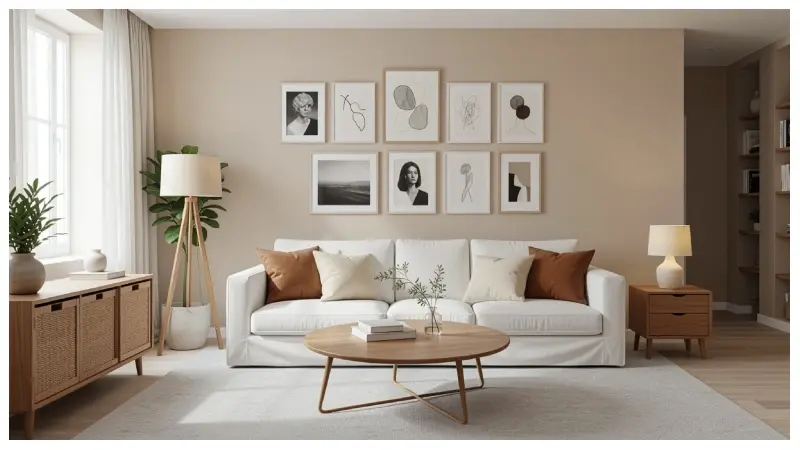
A home should not only look attractive; it should also tell your story. One of the easiest ways to make a space feel more personal is by adding artwork, photographs, and decorative pieces that reflect your personality, interests, and experiences.
Empty walls can make a room feel unfinished, while carefully selected artwork can create a strong visual identity.
You do not need expensive paintings or designer pieces. Simple framed prints, family photographs, handmade artwork, travel memories, or creative wall arrangements can completely change the atmosphere of a room.
A DecoradHouse-inspired approach focuses on choosing fewer but more meaningful decorative elements rather than filling every empty space.
Ways to Use Artwork Effectively:
✓ Choose pieces that complement your existing color palette.
✓ Hang artwork at eye level for comfortable viewing.
✓ Create a gallery wall using different frame sizes for visual interest.
✓ Avoid overcrowding walls with too many decorations.
✓ Use mirrors, photographs, and artwork together for balance.
Best Places to Add Artwork:
Living Room:
Large artwork above a sofa can become a central focal point.
Bedroom:
Soft, calming artwork can create a relaxing environment.
Home Office:
Inspirational prints or creative designs can improve motivation.
Hallways:
Small framed pieces can turn unused spaces into attractive areas.
The goal is not to decorate every corner but to create intentional spaces that feel connected to your lifestyle.
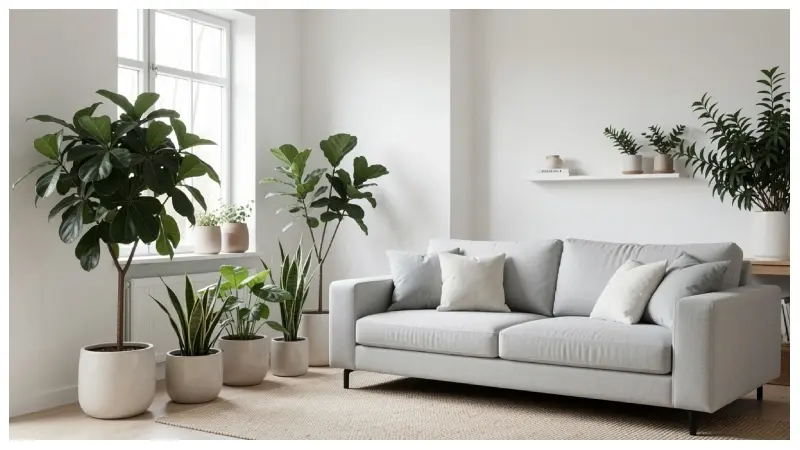
4. Bring Indoor Plants Into Your Home for Freshness and Natural Beauty
Indoor plants are one of the simplest home upgrades that create a noticeable difference. They add color, texture, and a natural element that makes rooms feel more welcoming.
Plants work especially well in modern minimalist interiors because they soften clean lines and add warmth without creating visual clutter.
Besides improving the appearance of your home, caring for plants can also create a calming daily routine.
Beginner-Friendly Indoor Plants:
Snake Plant:
Requires minimal care and works well in bedrooms and offices.
Pothos:
A flexible plant that grows easily in different indoor conditions.
Peace Lily:
Adds beautiful greenery and flowers to indoor spaces.
Spider Plant:
A low-maintenance choice for beginners.
Tips for Decorating With Plants:
✓ Place plants near natural light sources whenever possible.
✓ Use decorative pots that match your interior style.
✓ Combine different plant sizes to create depth.
✓ Avoid adding too many plants that make spaces feel crowded.
✓ Choose plants based on your available time for maintenance.
Plants can transform a simple room into a more relaxing and visually appealing environment.
5. Mix Different Textures to Create Depth and Comfort
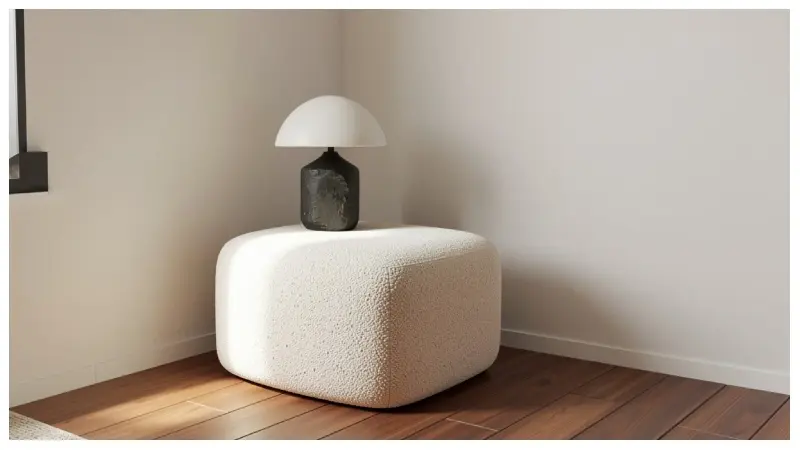
A room can have beautiful furniture and colors but still feel incomplete if everything looks too similar. Mixing textures creates depth and makes interiors feel more comfortable.
Modern home design often combines different materials to create contrast.
For example:
-
Smooth wooden surfaces with soft fabrics
-
Metal accessories with natural fibers
-
Glass elements with warm textiles
-
Leather furniture with woven decorations
These combinations create a balanced look that feels sophisticated without being complicated.
Simple Ways to Add More Texture:
Layer Different Fabrics
Use blankets, cushions, curtains, and rugs to introduce softness and comfort.
Add Natural Materials
Materials like:
-
Wood
-
Bamboo
-
Rattan
-
Linen
-
Cotton
can make spaces feel warmer and more inviting.
Use Decorative Accessories
Small additions such as textured baskets, ceramic pieces, and woven items can improve the overall design.
Texture Tips:
✓ Combine smooth and rough surfaces for contrast.
✓ Avoid using only one type of material throughout a room.
✓ Add seasonal textures through cushions and throws.
✓ Choose quality materials that feel good and last longer.
Texture is often the hidden element that makes professionally designed homes feel complete.
6. Create a Cohesive Color Palette Throughout Your Home
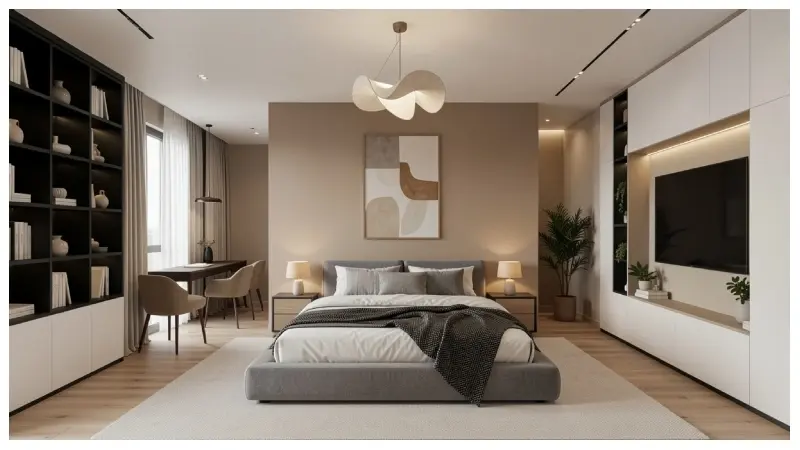
Color has a powerful impact on how a home feels. The right combination can make rooms appear larger, brighter, calmer, or more energetic.
A common mistake homeowners make is choosing colors separately for every room without considering how the entire home connects.
A DecoradHouse-inspired design approach focuses on creating visual flow by using complementary shades throughout different spaces.
The 60-30-10 Color Rule
Many interior designers use this simple formula:
60% Main Color:
The dominant shade used on walls, large furniture, and major surfaces.
30% Secondary Color:
Supporting colors found in curtains, furniture, and accessories.
10% Accent Color:
Small details that add personality, such as artwork, cushions, or decorative items.
Popular Modern Home Color Combinations:
-
White + Beige + Natural Wood
-
Gray + Soft Blue + Black Accents
-
Cream + Green + Warm Brown
-
Neutral Tones + Earthy Colors
Color Planning Tips:
✓ Test paint samples before painting entire rooms.
✓ Consider natural lighting before choosing colors.
✓ Use similar tones between connected rooms.
✓ Avoid selecting trendy colors that may quickly feel outdated.
A thoughtful color palette creates a home that feels organized, peaceful, and professionally designed.
7. Upgrade Your Kitchen With Glass Cabinet Doors and Smart Storage
The kitchen is one of the most important areas in any home. Small upgrades here can improve both appearance and everyday convenience.
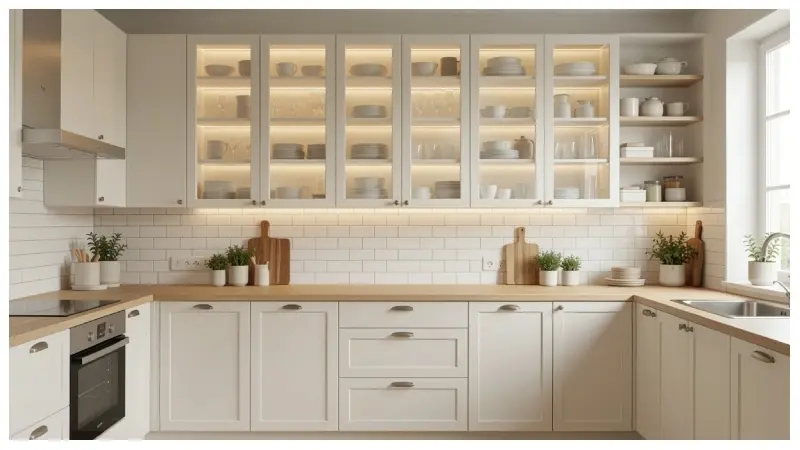
Replacing some traditional cabinet doors with glass panels can create a more open and modern feel, especially in smaller kitchens.
Glass-front cabinets allow you to display beautiful dishes, glassware, and decorative kitchen items while making the space appear larger.
Benefits of Glass Cabinet Doors:
-
Creates a more open visual appearance
-
Makes kitchens feel brighter
-
Allows easy access to frequently used items
-
Adds a modern design element
Styling Tips:
✓ Display matching dishes and glassware.
✓ Avoid overcrowding shelves.
✓ Add internal lighting for a premium look.
✓ Use frosted glass if you prefer a cleaner appearance.
Other affordable kitchen upgrades include:
-
Changing cabinet handles
-
Adding a backsplash
-
Installing under-cabinet lighting
-
Organizing drawers with smart storage solutions
Small kitchen improvements can create a surprisingly large visual impact.
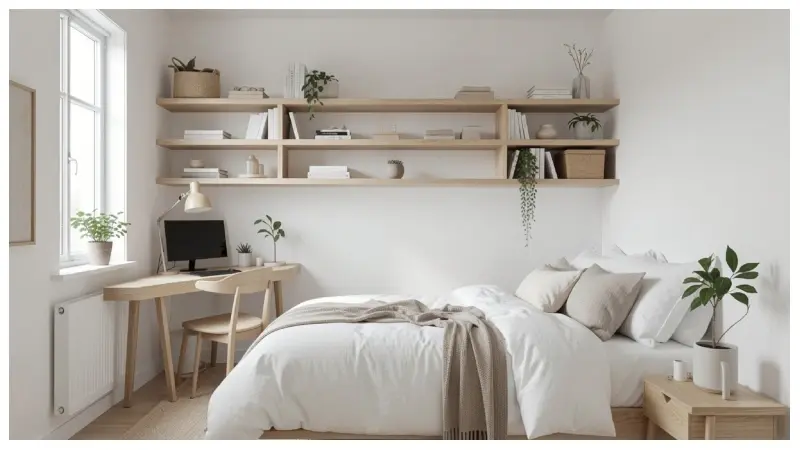
8. Maximize Small Space Storage With Smart Organization Solutions
One of the biggest challenges in modern homes is managing limited space. Even large homes can feel crowded when storage is not planned properly.
A DecoradHouse-inspired approach focuses on making every area useful while keeping the home organized and visually clean. The goal is not simply to add more storage but to create storage solutions that blend naturally with your interior design.
Smart storage helps reduce clutter, improves daily routines, and makes rooms feel more spacious.
Use Vertical Space Effectively
Many homeowners only think about floor-level storage and ignore the available wall space.
Consider:
-
Tall bookshelves
-
Floating shelves
-
Wall-mounted cabinets
-
Hanging organizers
-
Built-in storage solutions
Using vertical areas keeps important items accessible without taking away valuable floor space.
Hidden Storage Ideas:
✓ Storage beds for bedrooms
✓ Ottomans with hidden compartments
✓ Baskets inside cabinets
✓ Built-in shelves around windows
✓ Drawer organizers for small items
Small Space Organization Tips:
✓ Keep frequently used items easy to reach.
✓ Store seasonal items separately.
✓ Use matching containers for a cleaner appearance.
✓ Remove items you no longer use regularly.
✓ Label storage boxes to save time.
A well-organized home does not only look better; it also creates a calmer and more comfortable living environment.
9. Increase Natural Light to Make Your Home Feel Bigger
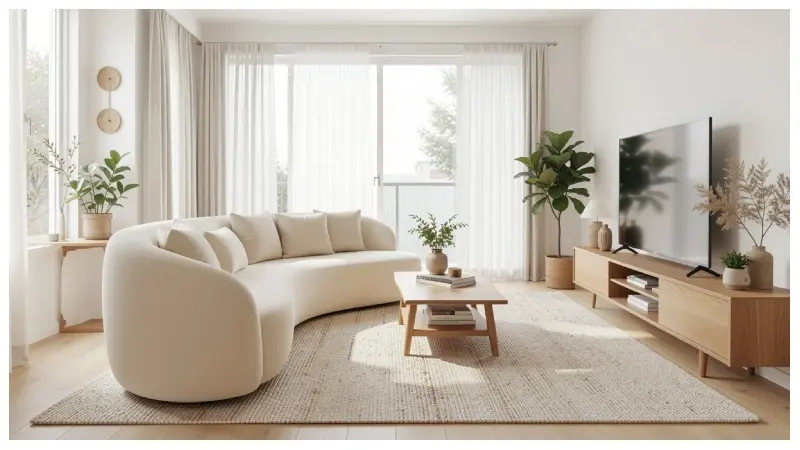
Natural light is one of the most valuable design elements in any home. Bright spaces often feel larger, cleaner, and more welcoming compared to dark rooms.
Many homeowners spend money on artificial improvements while overlooking simple ways to maximize the sunlight they already have.
A few adjustments can dramatically improve how your home feels.
Simple Ways to Increase Natural Light:
Keep Windows Clear
Heavy curtains, large furniture, or unnecessary decorations near windows can block sunlight.
Replace them with:
-
Light curtains
-
Sheer window coverings
-
Adjustable blinds
These options allow more light to enter while maintaining privacy.
Use Reflective Surfaces
Mirrors and glossy surfaces can help distribute light throughout a room.
Try placing:
-
A large mirror opposite a window
-
Glass furniture pieces
-
Reflective decorative accessories
Choose Light-Reflecting Colors
Lighter shades naturally bounce sunlight around the room.
Popular choices include:
-
White
-
Cream
-
Soft gray
-
Beige
-
Light pastel tones
Additional Natural Lighting Improvements:
✓ Trim outdoor plants blocking windows.
✓ Clean windows regularly for maximum brightness.
✓ Use transparent furniture in smaller spaces.
✓ Avoid dark heavy fabrics in rooms with limited sunlight.
Improving natural light is an affordable upgrade that can completely change the atmosphere of your home.
10. Choose Eco-Friendly Materials for Sustainable Home Design
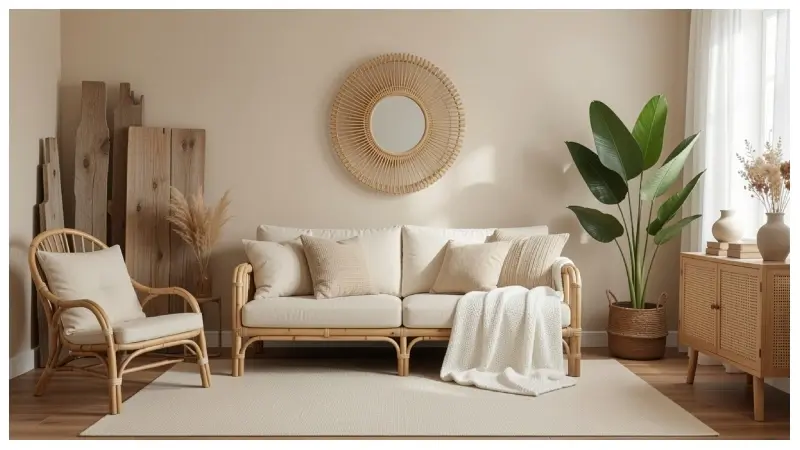
Modern homeowners are becoming more interested in sustainable living, and eco-friendly upgrades are now an important part of interior design.
Sustainable choices do not mean sacrificing style. Many environmentally friendly materials create beautiful, timeless interiors while reducing waste.
A DecoradHouse-inspired home focuses on selecting materials that are practical, durable, and responsible.
Sustainable Materials to Consider:
Bamboo
Bamboo is a renewable material commonly used for:
-
Flooring
-
Furniture
-
Decorative items
It provides a natural appearance while being highly durable.
Reclaimed Wood
Reclaimed wood adds character and warmth to interiors. It can be used for:
-
Shelves
-
Tables
-
Wall panels
-
Decorative accents
Natural Fabrics
Materials such as:
-
Cotton
-
Linen
-
Wool
Provide comfort while creating a more natural aesthetic.
Budget-Friendly Sustainable Upgrades:
✓ Buy quality secondhand furniture.
✓ Repair existing items instead of replacing everything.
✓ Choose long-lasting products over disposable trends.
✓ Use energy-efficient lighting.
✓ Select products made from responsibly sourced materials.
Sustainable design is not only better for the environment; it often creates homes that feel warmer and more authentic.
11. Add Mirrors to Create the Feeling of More Space
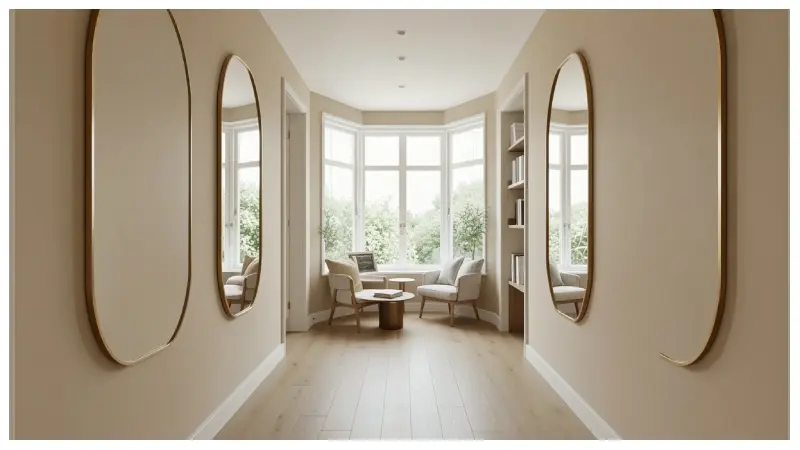
Mirrors are one of the oldest interior design techniques for making spaces appear larger and brighter.
A strategically placed mirror can reflect natural light, improve room balance, and create the illusion of additional space.
This makes mirrors especially useful for:
-
Small apartments
-
Narrow hallways
-
Compact bedrooms
-
Dark corners
Best Places to Use Mirrors:
Opposite Windows
Placing a mirror across from a window reflects outdoor light and makes the room feel brighter.
Entryways
A stylish mirror near the entrance creates a welcoming first impression.
Living Rooms
Large mirrors can act as decorative focal points while expanding the visual space.
Mirror Styling Tips:
✓ Choose designs that match your interior style.
✓ Use large mirrors instead of many small ones for a cleaner look.
✓ Consider floor-length mirrors for bedrooms.
✓ Avoid placing mirrors where they reflect unwanted clutter.
A simple mirror can become both a functional and decorative upgrade.
Room-by-Room Home Upgrade Ideas
While general improvements can refresh your entire home, each room has unique opportunities for improvement.
Living Room Upgrade Ideas
The living room is often the center of family activities and social gatherings. Small changes here can create a major impact.
Consider:
-
Rearranging furniture for better movement
-
Adding layered lighting
-
Introducing textured cushions and rugs
-
Creating a focal wall with artwork
-
Adding plants for natural warmth
A comfortable living room should balance style with everyday usability.
Bedroom Upgrade Ideas
A bedroom should feel peaceful and relaxing. Focus on creating a comfortable environment rather than adding unnecessary decorations.
Helpful upgrades include:
-
Better quality bedding
-
Soft lighting
-
Organized storage
-
Neutral colors
-
Minimal bedside accessories
Small improvements can turn your bedroom into a more restful space.
Kitchen Upgrade Ideas
You do not always need a complete kitchen renovation. Affordable improvements can include:
-
New cabinet handles
-
Better organization systems
-
Modern lighting
-
Updated backsplash
-
Open shelving
These changes improve appearance while making cooking easier.
Bathroom Upgrade Ideas
Bathrooms can feel refreshed with simple updates.
Try:
-
Replacing old fixtures
-
Adding better lighting
-
Installing modern mirrors
-
Organizing toiletries
-
Adding plants suitable for humid environments
A clean and organized bathroom instantly improves the overall feeling of your home.
DIY vs Professional Home Upgrades: Which Option Is Better?
When planning home improvements, one important decision is whether to complete the project yourself or hire a professional.
The right choice depends on the complexity of the upgrade, your experience level, available time, and budget.
Some changes are simple enough for most homeowners, while others require professional skills to ensure safety and quality.
DIY Home Upgrades You Can Handle Yourself
Many small improvements do not require professional help. These projects can save money while allowing you to personalize your space.
Examples include:
Painting Walls
Changing wall colors is one of the most affordable ways to refresh a room. With proper preparation, many homeowners can achieve professional-looking results.
Installing Shelves
Floating shelves and simple storage solutions can improve organization without major construction.
Updating Hardware
Replacing:
-
Cabinet handles
-
Door knobs
-
Drawer pulls
-
Light fixtures
can instantly modernize a space.
Adding Decorative Elements
Projects such as:
-
Creating gallery walls
-
Arranging plants
-
Styling shelves
-
Adding new textiles
are easy ways to improve your home’s appearance.
Home Upgrades That Require Professional Help
Some projects involve electrical systems, plumbing, structural changes, or specialized skills.
Professional assistance may be needed for:
-
Major kitchen remodeling
-
Bathroom renovations
-
Electrical upgrades
-
Plumbing changes
-
Flooring installation
-
Structural modifications
-
Roof repairs
Hiring an experienced professional can prevent expensive mistakes and ensure the work meets safety standards.
How To Decide Between DIY and Hiring Experts
Before starting any project, consider:
Your Skill Level
Be realistic about your abilities. A small mistake in a complicated project can create additional costs.
Available Time
DIY projects often take longer than expected. Consider whether you have enough time to complete the work properly.
Project Risk
Projects involving electricity, plumbing, or structural changes are usually better handled by professionals.
Long-Term Value
Sometimes spending more upfront creates better results and saves money in the future.
A balanced approach works best: complete simple upgrades yourself while investing in professional support for complex improvements.
Common Home Upgrade Mistakes to Avoid
Improving your home is exciting, but poor planning can lead to wasted money, unnecessary stress, and disappointing results.
Avoid these common mistakes when upgrading your space.
1. Following Trends Instead of Choosing Timeless Designs
Interior trends change quickly. A style that looks popular today may feel outdated after a few years.
Instead of completely redesigning your home around short-term trends:
-
Choose classic furniture designs
-
Use neutral base colors
-
Add trends through smaller accessories
-
Invest in quality pieces
This approach allows you to refresh your home easily without replacing everything.
2. Starting Too Many Projects at Once
Many homeowners begin multiple upgrades simultaneously and end up with unfinished spaces.
A better approach is:
-
Choose one priority area.
-
Complete the upgrade.
-
Evaluate the results.
-
Move to the next project.
Finishing one room completely creates motivation and prevents unnecessary confusion.
3. Ignoring Your Existing Home Style
A common mistake is buying individual items without considering how they work together.
For example:
A modern sofa, traditional cabinet, and completely different decorative style may create visual confusion.
Before purchasing new items, consider:
-
Existing colors
-
Furniture style
-
Room proportions
-
Overall home atmosphere
Your upgrades should improve your current design, not compete with it.
4. Choosing Low-Quality Items to Save Money
Saving money is important, but choosing the cheapest option is not always the smartest decision.
Poor-quality furniture and materials often:
-
Wear out quickly
-
Require frequent replacement
-
Cost more over time
Focus on value rather than simply the lowest price.
A durable piece that lasts years is often a better investment.
5. Forgetting About Functionality
A beautiful home should also be practical.
Some homeowners focus so much on appearance that they forget everyday needs.
Before making an upgrade, ask:
-
Is this comfortable?
-
Will this improve my daily routine?
-
Is it easy to maintain?
-
Does it solve an actual problem?
The best home improvements combine beauty with usefulness.
Frequently Asked Questions About Home Upgrades
What are the easiest home upgrades that make the biggest difference?
Some of the easiest upgrades include improving lighting, adding plants, changing wall colors, organizing storage, updating decorative items, and rearranging furniture. These changes require less investment but can significantly improve how a home looks and feels.
How can I upgrade my home on a small budget?
You can refresh your home affordably by focusing on small improvements such as painting walls, adding new cushions, installing better lighting, using mirrors, organizing clutter, and adding indoor plants.
Small changes done thoughtfully often create a bigger impact than expensive purchases.
Which room should I upgrade first?
The best room to upgrade first is usually the area where you spend the most time. For many homeowners, this is the living room or kitchen.
Start with spaces that affect your daily comfort rather than rooms that are rarely used.
Do home upgrades increase property value?
Certain improvements can increase a home’s appeal and potential value, especially upgrades that improve functionality, appearance, energy efficiency, and overall maintenance.
Examples include updated kitchens, improved lighting, better storage solutions, and modern bathrooms.
What home upgrades add the most comfort?
Comfort-focused upgrades include:
-
Better lighting
-
Comfortable furniture
-
Improved organization
-
Quality bedding
-
Temperature control improvements
-
Noise reduction solutions
A comfortable home should support your lifestyle and daily routines.
Are DIY home upgrades worth doing?
DIY upgrades can be valuable for simple projects such as painting, decorating, organizing, and installing basic fixtures.
However, complex projects involving electrical work, plumbing, or structural changes should usually involve professionals.
Final Thoughts: Create a Home That Works for Your Lifestyle
A beautiful home is not created through expensive renovations alone. The most meaningful improvements often come from thoughtful decisions that make your space more comfortable, functional, and personal.
The DecoradHouse-inspired approach focuses on simplicity, balance, and intentional design. By choosing functional furniture, improving lighting, adding natural elements, organizing your space, and selecting timeless styles, you can create a home that feels fresh without unnecessary spending.
Remember that home improvement is a process, not a one-time event. Start with the changes that will have the biggest impact on your everyday life, then gradually build a space that reflects your personality and needs.
Whether you are making small DIY improvements or planning larger renovations, the goal should always remain the same:
Create a home that looks beautiful, feels comfortable, and supports the way you live.
Take your time, plan carefully, and enjoy the process of transforming your house into a place you truly love.