Introduction
Your home should be more than just a place to live. It should reflect your personality, support your lifestyle, and provide comfort every day. Whether you own a large house or a small apartment, thoughtful improvements can make a noticeable difference without requiring a complete renovation.
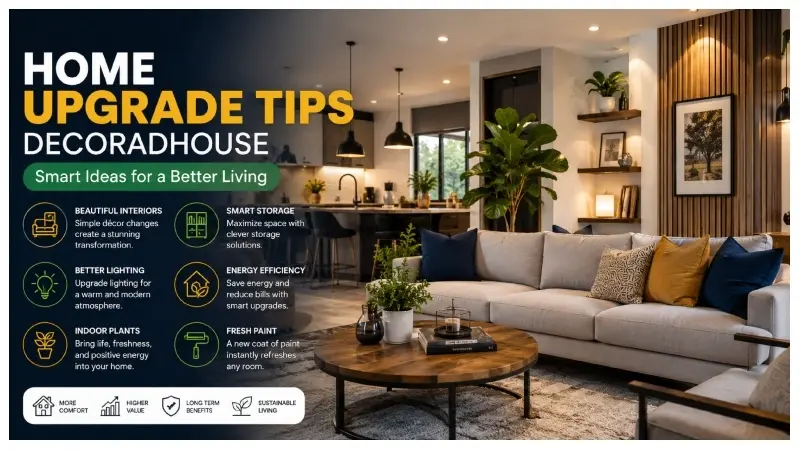
Many homeowners search for practical ideas that improve both appearance and functionality. The concept behind Home Upgrade Tips DecorAdHouse focuses on making smart, affordable, and stylish improvements that increase comfort while adding long-term value to your property.
This guide explores proven strategies that help modern homeowners upgrade every area of their homes. From simple décor updates to energy-efficient improvements, you’ll discover practical ideas that fit different budgets and lifestyles.
Why Home Upgrades Matter
Home improvements offer more than visual appeal.
A well-planned upgrade can:
- Increase property value
- Improve daily comfort
- Reduce maintenance costs
- Save energy
- Create better organization
- Enhance safety
- Modernize outdated spaces
Even small improvements often have a significant impact on how your home feels and functions.
Start with a home improvement plan.
Before purchasing furniture or decorating accessories, create a clear plan.
Ask yourself:
- Which rooms need attention first?
- What is your available budget?
- Which upgrades provide the highest value?
- Can some projects be completed yourself?
Planning prevents unnecessary spending and helps prioritize the most important improvements.
Set a Realistic Budget
Every successful project begins with financial planning.
Divide your budget into categories:
| Category | Suggested Budget Share |
|---|---|
| Painting | 15% |
| Furniture | 30% |
| Lighting | 10% |
| Storage Solutions | 15% |
| Décor | 15% |
| Unexpected Costs | 15% |
Leaving room for unexpected expenses helps avoid stress during the project.
Refresh Your Walls
Walls cover the largest surface area in any room.
Updating them creates an immediate transformation.
Paint with Modern Colors
Neutral shades remain popular because they complement almost every decorating style.
Consider:
- Warm white
- Light gray
- Soft beige
- Sage green
- Dusty blue
These colors create a brighter and more spacious appearance.
Create a Feature Wall
Instead of repainting an entire room, highlight one wall using:
- Wood panels
- Decorative wallpaper
- Textured paint
- Stone veneer
- Geometric wall molding
Feature walls add personality without overwhelming the space.
Upgrade Your Lighting
Lighting affects both mood and functionality.
Replace outdated fixtures with modern alternatives that provide better illumination while reducing electricity consumption.
Popular choices include:
- LED ceiling lights
- Pendant lighting
- Wall sconces
- Under-cabinet lighting
- Floor lamps
- Smart lighting systems
Layering different light sources creates a warm and inviting atmosphere.
Improve Living Room Comfort
The living room often serves as the center of family life.
Simple upgrades can dramatically improve comfort.
Rearrange Furniture
Changing furniture placement often makes a room feel larger without spending money.
Keep walkways open and create natural conversation areas.
Add Texture
Mix different materials, such as:
- Cotton
- Linen
- Velvet
- Wood
- Glass
- Metal
Layered textures create visual interest while making rooms feel cozy.
Upgrade Soft Furnishings
New cushions, curtains, and rugs instantly refresh older furniture.
Choose colors that complement your existing décor instead of competing with it.
Modern Kitchen Improvements
Kitchen renovations can become expensive.
Fortunately, several affordable upgrades deliver impressive results.
Replace Cabinet Hardware
New handles and knobs modernize cabinets within minutes.
Popular finishes include:
- Matte black
- Brushed brass
- Satin nickel
Small details often produce noticeable improvements.
Install a Stylish Backsplash
A backsplash protects walls while adding decorative appeal.
Popular materials include:
- Subway tile
- Marble-look porcelain
- Mosaic tile
- Peel-and-stick panels
Choose a style that matches your overall kitchen design.
Organize Storage
Better organization improves both appearance and efficiency.
Use:
- Pull-out baskets
- Drawer dividers
- Pantry containers
- Corner organizers
- Shelf risers
An organized kitchen feels larger and works better every day.
Bathroom Upgrades That Make a Difference
Bathrooms are among the most frequently used spaces in a home.
Small improvements can create a spa-like atmosphere.
Ideas include:
- Installing a rainfall showerhead
- Replacing outdated mirrors
- Updating faucets
- Adding floating shelves
- Using coordinated accessories
- Improving ventilation
Fresh towels and decorative plants also make bathrooms feel more inviting.
Flooring Options Worth Considering
Flooring influences the overall appearance of every room.
Popular choices include:
| Flooring Type | Best For | Benefits |
|---|---|---|
| Luxury Vinyl | Busy households | Durable and water-resistant |
| Hardwood | Living rooms | Timeless appearance |
| Laminate | Budget renovations | Affordable and stylish |
| Tile | Bathrooms | Moisture-resistant |
| Engineered Wood | Entire home | Attractive and stable |
Choosing durable materials reduces future maintenance costs.
Maximize Storage Without Sacrificing Style
Storage is one of the biggest
challenges in modern homes.
Creative storage ideas include:
- Under-bed drawers
- Floating shelves
- Multi-purpose furniture
- Storage benches
- Built-in cabinets
- Wall-mounted organizers
Hidden storage helps maintain a clean and uncluttered appearance.
Bedroom Upgrades for Better Comfort
Your bedroom should be a peaceful retreat where you can relax after a busy day. A few thoughtful changes can make the space more comfortable and visually appealing without requiring a major renovation.
Choose a Calming Color Palette
Soft, neutral colors create a relaxing atmosphere.
Popular choices include:
- Warm white
- Light gray
- Soft blue
- Olive green
- Beige
- Taupe
These shades reflect natural light and make the room feel larger.
Invest in Quality Bedding
Comfort starts with your bed.
Consider upgrading:
- Mattress
- Pillows
- Cotton bed sheets
- Duvet covers
- Decorative throws
High-quality bedding improves sleep while enhancing the overall appearance of the room.
Add Functional Furniture
Every piece of furniture should serve a purpose.
Useful additions include:
- Bedside tables
- Storage ottomans
- Reading chairs
- Floating shelves
- Wardrobe organizers
Choose furniture that fits the room instead of overcrowding it.
Create a Productive Home Office
Remote work has made home offices more important than ever.
A functional workspace improves focus and productivity.
Prioritize Ergonomics
Use furniture that supports good posture.
Important items include:
- Adjustable chair
- Spacious desk
- Monitor stand
- Keyboard tray
- Proper lighting
Comfort reduces fatigue during long work sessions.
Reduce Distractions
A clutter-free workspace helps maintain concentration.
Keep only essential items on your desk.
Use storage boxes or filing cabinets to organize paperwork and supplies.
Improve Outdoor Living Areas
Outdoor spaces deserve as much attention as indoor rooms.
Simple improvements increase curb appeal while creating more usable living space.
Upgrade the Front Entrance
Your entryway creates the first impression.
Consider adding:
- Modern house numbers
- Decorative planters
- Outdoor lighting
- Fresh paint on the front door
- Stylish welcome mat
These upgrades instantly improve your home’s appearance.
Build a Relaxing Backyard
Transform your backyard into an inviting retreat.
Ideas include:
- Outdoor seating
- Fire pit
- Pergola
- String lights
- Raised garden beds
- Decorative paving stones
These additions create an enjoyable space for family gatherings and relaxation.
Make Your Home More Energy Efficient
Energy-efficient improvements reduce utility bills while benefiting the environment.
Many upgrades also increase property value.
Install LED Lighting
LED bulbs consume less electricity and last much longer than traditional bulbs.
They are available in various brightness levels and color temperatures.
Improve Insulation
Proper insulation helps maintain comfortable indoor temperatures throughout the year.
Areas to inspect include:
- Attics
- Exterior walls
- Floors
- Windows
- Doors
Good insulation reduces heating and cooling costs.
Upgrade to Smart Thermostats
Smart thermostats automatically adjust temperatures based on your schedule.
Benefits include:
- Lower energy consumption
- Improved comfort
- Remote control through mobile apps
- Better heating efficiency
Add Smart Home Technology
Modern technology makes homes safer, more efficient, and easier to manage.
Popular smart devices include:
| Smart Device | Main Benefit |
|---|---|
| Smart lights | Remote lighting control |
| Video doorbells | Enhanced security |
| Smart locks | Keyless entry |
| Security cameras | Property monitoring |
| Smart speakers | Voice-controlled automation |
| Smart plugs | Energy management |
Choose products that integrate well with your existing devices.
Declutter Before Decorating
Adding more décor does not always improve a room.
Sometimes removing unnecessary items creates the biggest transformation.
Follow these simple steps:
- Donate unused belongings.
- Organize storage areas.
- Remove broken items.
- Keep surfaces clear.
- Store seasonal decorations separately.
A clutter-free home feels brighter, cleaner, and more spacious.
Decor Trends That Continue to Grow
Interior design evolves every year, but several timeless trends remain popular.
Natural Materials
Wood, stone, bamboo, and woven textures create warmth and authenticity.
Indoor Plants
Plants improve visual appeal while bringing natural elements indoors.
Popular options include:
- Snake plant
- Peace lily
- Pothos
- ZZ plant
- Rubber plant
Choose varieties that match your home’s lighting conditions.
Multi-Functional Spaces
Modern homes often combine living, working, and entertaining within the same area.
Flexible furniture helps maximize available space.
Examples include:
- Foldable desks
- Sofa beds
- Extendable dining tables
- Storage benches
Common Home Upgrade Mistakes
Avoiding mistakes saves both time and money.
Ignoring a Budget
Overspending on one room often leaves other projects unfinished.
Always establish spending limits before starting.
Following Every Trend
Not every trend suits every home.
Choose timeless designs that continue looking attractive for years.
Poor Lighting Choices
One ceiling light rarely provides enough illumination.
Layer ambient, task, and accent lighting for better results.
Buying Oversized Furniture
Large furniture can overwhelm smaller rooms.
Measure carefully before making purchases.
Forgetting Storage
Beautiful rooms still need practical organization.
Include storage solutions during the planning stage rather than adding them later.
DIY or Hire a Professional?
Some projects are ideal for homeowners, while others require expert assistance.
| DIY Projects | Professional Projects |
|---|---|
| Painting | Electrical work |
| Installing shelves | Plumbing |
| Decorating | Roof repairs |
| Garden landscaping | Structural changes |
| Furniture assembly | Major remodeling |
Understanding your skill level helps prevent costly mistakes.
Planning Future Upgrades
Instead of renovating everything at once, create a long-term improvement plan.
Start with projects that deliver the highest value.
Priority order often includes:
- Safety improvements
- Energy efficiency
- Kitchen updates
- Bathroom improvements
- Flooring
- Interior decoration
- Outdoor landscaping
Breaking projects into phases makes upgrades more affordable and manageable.
Maintaining Your Home After Upgrades
Completing a home improvement project is only the beginning. Regular maintenance keeps every upgrade looking fresh and functioning properly. A well-maintained home also prevents expensive repairs and protects your investment.
Simple maintenance habits include:
- Dusting furniture and shelves weekly
- Cleaning windows every few months
- Inspecting plumbing for leaks
- Servicing heating and cooling systems annually
- Checking smoke and carbon monoxide detectors
- Repainting damaged walls when necessary
Consistent care helps your home remain attractive and comfortable for years.
Seasonal Home Maintenance Checklist
Each season brings different maintenance needs. Following a yearly schedule makes it easier to stay organized.
| Season | Recommended Tasks |
|---|---|
| Spring | Clean gutters, inspect the roof, wash windows, refresh landscaping |
| Summer | Maintain outdoor furniture, pressure wash patios, inspect fences |
| Fall | Seal gaps around doors and windows, clean heating systems, trim trees |
| Winter | Check insulation, protect pipes from freezing, inspect roof after storms |
Completing these tasks on time reduces unexpected repair costs.
Choosing the Right Materials
The quality of materials directly affects the lifespan of your upgrades. While budget-friendly options can save money upfront, durable materials often provide better long-term value.
Consider these factors before purchasing:
- Durability
- Maintenance requirements
- Water resistance
- Warranty coverage
- Environmental impact
- Overall appearance
Investing in quality materials can reduce future replacement costs.
How to Upgrade Small Spaces
Limited square footage does not limit creativity. Small homes and apartments can feel larger with thoughtful design choices.
Use Light Colors
Bright walls and ceilings reflect natural light, creating an open feeling.
Add Mirrors
Mirrors increase visual depth and make smaller rooms appear larger.
Choose Multi-Purpose Furniture
Furniture with built-in storage helps reduce clutter.
Examples include:
- Storage beds
- Nesting tables
- Foldable desks
- Expandable dining tables
Keep Decorations Simple
Avoid overcrowding shelves and walls with too many decorative items. A clean design often looks more spacious.
Improve Indoor Air Quality
A beautiful home should also be healthy.
Good indoor air quality contributes to better comfort and overall well-being.
Ways to improve air quality include:
- Opening windows regularly
- Replacing HVAC filters on schedule
- Using air-purifying plants
- Reducing indoor humidity
- Cleaning carpets and upholstery
- Avoiding excessive chemical cleaners
Fresh air creates a healthier living environment for everyone.
Room-by-Room Upgrade Priorities
If your budget is limited, focus on one room at a time.
Living Room
Prioritize:
- Comfortable seating
- Modern lighting
- Decorative rugs
- Organized storage
Kitchen
Focus on:
- Cabinet hardware
- Countertop organization
- Efficient lighting
- Durable flooring
Bathroom
Improve:
- Storage
- Ventilation
- Water-efficient fixtures
- Updated mirrors
Bedroom
Upgrade:
- Mattress quality
- Closet organization
- Window treatments
- Bedside lighting
Entryway
Enhance:
- Shoe storage
- Wall hooks
- Decorative mirror
- Console table
Starting with high-traffic areas often delivers the greatest daily benefits.
Budget-Friendly Decorating Ideas
Refreshing your home does not always require major spending.
Affordable ideas include:
- Rearranging existing furniture
- Painting old furniture
- Adding decorative pillows
- Hanging framed artwork
- Installing floating shelves
- Updating curtain rods
- Replacing cabinet handles
- Decorating with indoor plants
Small details often create the biggest visual improvements.
Sustainability in Home Improvements
Eco-friendly upgrades benefit both homeowners and the environment.
Popular sustainable choices include:
- Energy-efficient appliances
- Low-flow faucets
- LED lighting
- Recycled building materials
- Water-saving landscaping
- Solar-powered outdoor lights
These improvements may lower utility costs while reducing environmental impact.
Creating a Home That Reflects Your Style
Every home should feel personal.
Instead of copying every design trend, focus on elements that match your lifestyle.
You might prefer:
- Modern minimalism
- Scandinavian simplicity
- Farmhouse charm
- Industrial design
- Coastal elegance
- Contemporary luxury
Combining timeless features with personal touches creates a home you’ll enjoy for many years.
Frequently Asked Questions
What is the purpose of Home Upgrade Tips DecorAdHouse?
It provides practical ideas for improving comfort, functionality, and style while helping homeowners make smart renovation and decorating decisions.
Which home upgrades offer the highest return on investment?
Kitchen improvements, bathroom updates, energy-efficient features, fresh paint, and landscaping often provide excellent long-term value.
How often should I update my home’s interior?
Major renovations are not necessary every year. Small updates every few years and regular maintenance can keep your home looking modern and well cared for.
Can I improve my home on a small budget?
Yes. Painting walls, updating lighting, improving storage, rearranging furniture, and adding decorative accessories are affordable ways to transform your space.
Should I hire professionals for every project?
No. Many decorating and maintenance tasks are suitable for DIY enthusiasts. However, electrical work, plumbing, structural changes, and roofing should generally be handled by qualified professionals.
Expert Tips for Long-Term Success
To make every home improvement worthwhile, keep these practical tips in mind:
- Plan before you purchase.
- Invest in quality where it matters most.
- Balance beauty with functionality.
- Avoid overcrowding rooms.
- Keep storage organized.
- Choose timeless designs over short-lived trends.
- Maintain every upgrade regularly.
- Improve one area at a time if your budget is limited.
Thoughtful planning and consistent maintenance will help your home remain beautiful, efficient, and comfortable for years to come.
Conclusion
A beautiful home is not created by expensive renovations alone. It grows through thoughtful planning, practical improvements, and consistent maintenance. Whether you are refreshing a single room or updating your entire property, every upgrade should enhance both comfort and functionality.
The ideas shared in this guide demonstrate that meaningful improvements do not always require a large budget. Simple changes such as modern lighting, fresh paint, organized storage, energy-efficient fixtures, and carefully selected décor can completely transform the way your home looks and feels.
The approach behind Home Upgrade Tips DecorAdHouse encourages homeowners to make informed decisions that balance style, practicality, and long-term value. Instead of following every new trend, focus on timeless designs, durable materials, and solutions that match your family’s lifestyle.
Remember that successful home improvement is an ongoing process. Prioritize projects, set realistic budgets, maintain completed upgrades, and continue improving your home one step at a time. Small improvements completed consistently often create the biggest transformation over the years.
Whether your goal is increasing property value, creating a relaxing environment, improving energy efficiency, or simply enjoying a more organized living space, careful planning and smart decisions will help you achieve lasting results.
Start with one project today, stay patient throughout the process, and enjoy watching your home become more comfortable, functional, and beautiful with every improvement.
Key Takeaways
| Area | Best Recommendation |
|---|---|
| Planning | Create a budget and prioritize projects before starting. |
| Living Room | Improve lighting, furniture layout, and décor. |
| Kitchen | Update cabinet hardware, storage, and backsplash. |
| Bathroom | Install modern fixtures and improve organization. |
| Bedroom | Invest in quality bedding and calming colors. |
| Outdoor Spaces | Enhance curb appeal with landscaping and lighting. |
| Energy Efficiency | Choose LED lighting, insulation, and smart thermostats. |
| Storage | Use multifunctional furniture and hidden storage solutions. |
| Maintenance | Follow a seasonal checklist to protect your investment. |
| Long-Term Success | Focus on timeless designs instead of short-lived trends. |
Pros and Cons of Home Upgrades
| Pros | Cons |
|---|---|
| Improves comfort and functionality | Some projects require significant investment |
| Increases property value | Renovations may temporarily disrupt daily life |
| Enhances energy efficiency | Poor planning can increase costs |
| Modernizes outdated interiors | DIY mistakes may require professional repairs |
| Creates better organization | Large projects often take considerable time |
Final Thoughts
Every home has the potential to become more inviting, efficient, and valuable. The key is choosing upgrades that suit your needs rather than following trends without purpose. Focus on quality materials, thoughtful design, and practical improvements that provide lasting benefits.
As your lifestyle changes, continue evaluating your home’s strengths and areas for improvement. Even modest upgrades completed over time can dramatically improve your everyday living experience while protecting your property’s long-term value.
By applying the ideas covered in this guide, you can confidently plan future projects, avoid common mistakes, and create a home that reflects your personal style while remaining functional for years to come.