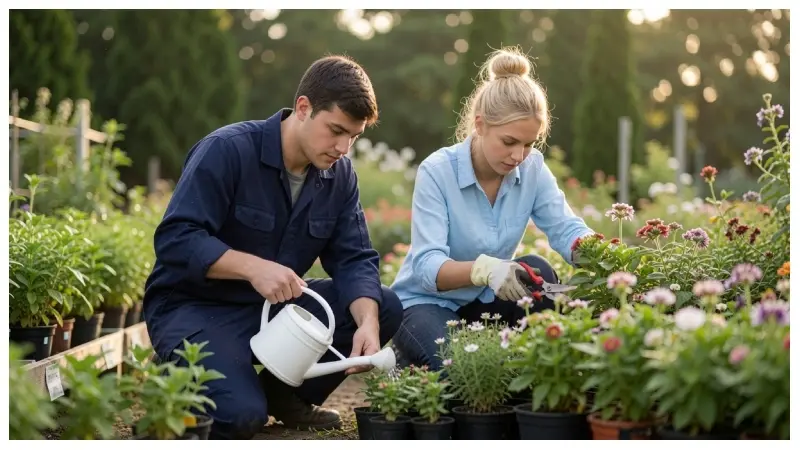
Many homeowners believe that building an attractive garden requires a large budget or professional landscaping services. In reality, small improvements often make the biggest difference. Selecting suitable plants, arranging them correctly, improving the soil, and adding practical decorative elements can completely change the appearance of any outdoor space without unnecessary expense.
This guide shares garden-tips-decoradhouse that combine practical gardening techniques with attractive design ideas. Whether you are planting your first flower bed or refreshing an existing landscape, these strategies will help you create a garden that remains beautiful throughout the year while staying easy to maintain.
Table of Contents
ToggleWhy Planning Matters Before You Start
Every successful garden begins with a clear plan. Without preparation, homeowners often purchase plants or decorations that do not suit the available space or local climate. Careful planning saves time, money, and future maintenance.
Before buying anything, evaluate your outdoor area carefully.
Consider the following:
- Measure the available space.
- Observe sunlight throughout the day.
- Identify shaded locations.
- Check drainage after rainfall.
- Decide how the garden will be used.
- Create a simple layout before planting.
A garden designed with purpose always looks more balanced than one created without direction.
Understanding Your Garden Environment
Every location has unique growing conditions. The amount of sunlight, rainfall, wind, and soil quality determines which plants will thrive.
Gardens generally fall into one of these categories:
| Garden Condition | Best Plant Choices | Maintenance Level |
|---|---|---|
| Full Sun | Lavender, Roses, Marigolds | Moderate |
| Partial Shade | Hydrangeas, Begonias | Moderate |
| Full Shade | Ferns, Hostas | Low |
| Dry Areas | Succulents, Cactus | Very Low |
| Moist Soil | Iris, Astilbe | Moderate |
Choosing plants that naturally suit your environment reduces maintenance while improving long-term growth.
Build Healthy Soil First
Healthy plants begin with healthy soil. Even expensive plants struggle if the soil lacks nutrients or proper drainage.
Improve soil quality by adding:
- Compost
- Organic manure
- Leaf mulch
- Coconut coir
- Natural fertilizer
Good soil should remain loose enough for roots to spread while retaining enough moisture for healthy growth.
Avoid compacted soil because it limits oxygen around the roots.
Choose Plants That Match Your Lifestyle
Many beginners purchase beautiful flowers without considering maintenance requirements. Instead, choose plants that fit the amount of time you can realistically spend caring for your garden.
If you have a busy schedule, prioritize:
- Snake Plant
- ZZ Plant
- Lavender
- Aloe Vera
- Jade Plant
- Succulents
If gardening is your hobby, include flowering plants, seasonal blooms, climbing vines, and ornamental shrubs to create greater variety.
The best gardens combine beauty with practicality.
Mix Different Plant Heights
Gardens become visually interesting when plants grow at different heights.
A balanced arrangement might include:
- Tall shrubs at the back
- Medium flowering plants in the center
- Ground covers at the front
- Hanging plants for vertical interest
Layering creates depth and makes even a small garden appear larger.
Use Vertical Gardening to Maximize Space
Limited space should never limit creativity.
Vertical gardening allows homeowners to grow more plants while keeping walkways open.
Popular ideas include:
- Wooden plant shelves
- Wall-mounted planters
- Hanging baskets
- Trellises
- Climbing vines
- Stackable pots
These features create lush greenery without occupying valuable floor space.
Vertical designs also improve airflow around plants, reducing certain fungal diseases.
Select Decorative Pots Carefully
Containers influence the overall appearance of a garden just as much as the plants themselves.
Choose pots that complement your home’s architectural style.
Popular materials include:
Ceramic Pots
Ideal for elegant and modern spaces.
Clay Pots
Provide natural airflow for plant roots.
Concrete Planters
Perfect for contemporary landscapes.
Wooden Containers
Create a warm, rustic appearance.
Metal Planters
Suitable for industrial-style gardens.
Keeping planter colors consistent creates a cleaner and more sophisticated design.
Create Comfortable Seating Areas
Gardens should invite people to stay, not simply admire them from a distance.
A comfortable seating area transforms an ordinary landscape into an outdoor living room.
Consider including:
- Wooden benches
- Folding chairs
- Small coffee tables
- Outdoor cushions
- Pergolas
- Shade umbrellas
Choose weather-resistant furniture that requires minimal maintenance throughout the year.
Lighting Makes a Huge Difference
Lighting changes how a garden feels after sunset.
Soft illumination highlights plants while creating a peaceful atmosphere.
Excellent lighting options include:
- Solar pathway lights
- Fairy lights
- Hanging lanterns
- LED spotlights
- Wall-mounted outdoor lights
Avoid excessive brightness.
Warm lighting generally creates a more welcoming environment than harsh white light.
Add Color Without Overcrowding
Color brings personality into any landscape.
Instead of planting every available flower, develop a simple color palette.
Examples include:
- White and green for elegance
- Purple and yellow for contrast
- Pink and lavender for softness
- Orange and red for energy
Repeating similar colors throughout the garden creates visual harmony.
Random color combinations often make small spaces feel cluttered.
Introduce Natural Decorative Features
Decoration should support the beauty of nature rather than compete with it.
Simple additions include:
- Decorative stones
- Wooden pathways
- Bird feeders
- Water bowls
- Garden sculptures
- Bamboo screens
These features create focal points while maintaining a peaceful atmosphere.
Garden-Tips-Decoradhouse for Seasonal Planting
Successful gardens change with the seasons.
Planting seasonal flowers ensures fresh color throughout the year.
Spring
Tulips, daffodils, pansies, and hyacinths create vibrant displays after winter.
Summer
Roses, petunias, marigolds, and zinnias provide continuous blooms during warm weather.
Autumn
Chrysanthemums and ornamental grasses introduce texture and rich seasonal colors.
Winter
Evergreen shrubs maintain structure when many flowering plants become dormant.
Rotating seasonal plants keeps the landscape attractive every month of the year.
Water Plants the Right Way
Watering may seem simple, but it is one of the most important parts of garden care. Too much water can damage roots, while too little water slows growth and reduces flowering. Learning the needs of each plant helps maintain a healthy garden throughout the year.
Follow these simple watering practices:
- Water early in the morning whenever possible.
- Avoid watering during the hottest part of the day.
- Check the soil before adding more water.
- Water deeply instead of giving small amounts every day.
- Use mulch to reduce moisture loss.
- Adjust watering according to seasonal weather.
Different plants require different watering schedules. Succulents and cacti prefer dry soil, while flowering plants usually need more consistent moisture.
Mulching for Healthier Plants
Mulch is one of the easiest ways to improve any garden. It helps the soil retain moisture, prevents weed growth, and keeps plant roots cool during hot weather.
Common mulch materials include:
- Bark chips
- Wood shavings
- Straw
- Compost
- Dry leaves
- Pine needles
Spread a layer around plants while leaving a small gap around the stems to prevent rot.
Feed Plants with Proper Nutrition
Healthy plants need nutrients throughout the growing season.
Essential nutrients include:
- Nitrogen for leafy growth
- Phosphorus for strong roots
- Potassium for flowers and fruits
Organic fertilizers improve soil naturally while supporting long-term plant health.
Examples include:
- Compost
- Worm castings
- Fish emulsion
- Bone meal
- Seaweed extract
Apply fertilizer according to the needs of each plant rather than following one schedule for every variety.
Pruning Keeps the Garden Attractive
Pruning removes damaged growth and encourages healthier plants.
Benefits include:
- Better air circulation
- Stronger flowering
- Improved plant shape
- Reduced disease risk
- Increased sunlight penetration
Always use clean, sharp tools and remove dead or diseased branches first.
Protect Your Garden from Pests Naturally
Every garden attracts insects, but not all insects are harmful. Many beneficial insects help control pests naturally.
Encourage helpful insects such as:
- Ladybugs
- Bees
- Lacewings
- Butterflies
Natural pest control methods include:
- Neem oil spray
- Garlic spray
- Soap solution
- Companion planting
- Hand removal of insects
Avoid excessive chemical pesticides whenever possible to protect pollinators.
Keep Your Garden Clean Throughout the Year
A tidy garden always appears healthier.
Create a simple maintenance routine:
- Remove weeds weekly.
- Collect fallen leaves.
- Trim overgrown plants.
- Wash outdoor furniture.
- Clean decorative pots.
- Inspect plants regularly for disease.
Regular maintenance takes less time than repairing neglected gardens.
Garden-Tips-Decoradhouse for Small Outdoor Spaces
Limited space should never prevent beautiful gardening.
Small areas can feel larger by using smart design techniques.
Useful ideas include:
- Install wall planters.
- Use folding furniture.
- Add mirrors carefully to reflect greenery.
- Grow herbs in vertical racks.
- Choose compact shrubs.
- Use one consistent color theme.
Simple layouts often appear more elegant than crowded designs.
Common Gardening Mistakes to Avoid
Many problems develop because of small mistakes that are easy to prevent.
Avoid these common errors:
- Buying plants before planning.
- Overwatering.
- Ignoring sunlight requirements.
- Planting too closely together.
- Using poor-quality soil.
- Forgetting drainage holes in containers.
- Mixing too many decorative styles.
- Skipping seasonal maintenance.
Correcting these mistakes improves both plant health and the overall appearance of the garden.
Pros and Cons of Following Modern Garden Design Ideas
| Pros | Cons |
|---|---|
| Improves property appearance | Requires regular maintenance |
| Creates a peaceful outdoor space | Initial setup may take time |
| Increases usable living space | Some plants need seasonal replacement |
| Supports wildlife and pollinators | Quality materials may cost more |
| Can increase property value | Weather affects long-term planning |
For most homeowners, the advantages far outweigh the challenges because a well-designed garden provides lasting beauty and enjoyment.
Frequently Asked Questions
How often should I water my garden?
Most gardens benefit from deep watering one or two times each week, although the schedule depends on climate, soil type, and plant variety.
Which plants are easiest for beginners?
Snake plants, lavender, marigolds, aloe vera, pothos, and succulents are excellent choices because they require minimal care.
Can I create a beautiful garden in a small space?
Yes. Vertical gardening, compact furniture, and carefully selected plants allow even balconies and patios to become attractive green spaces.
Should every garden include flowering plants?
Not necessarily. A combination of evergreen plants, ornamental grasses, shrubs, and seasonal flowers creates visual interest throughout the year.
Is organic gardening better?
Organic gardening improves soil health, encourages beneficial insects, and reduces dependence on synthetic chemicals, making it a sustainable long-term choice.
Conclusion
Creating an attractive outdoor space does not require a large budget or professional landscaping experience. Careful planning, healthy soil, suitable plants, regular maintenance, and thoughtful decoration work together to produce a garden that remains beautiful throughout every season.
By applying these garden-tips-decoradhouse, you can design an outdoor area that reflects your personal style while remaining practical and easy to maintain. Whether you have a spacious backyard or a compact balcony, every garden has the potential to become a relaxing retreat filled with color, texture, and natural beauty.
Start with one improvement at a time, observe how your plants respond, and continue building your garden as your confidence grows. Small, consistent efforts often create the most rewarding results, turning any outdoor space into a place you will enjoy for years to come.